HRC Launches ‘100 Days of Healthcare’ Campaign to Demand Congress Protects Our Health Care
by Delphine Luneau •
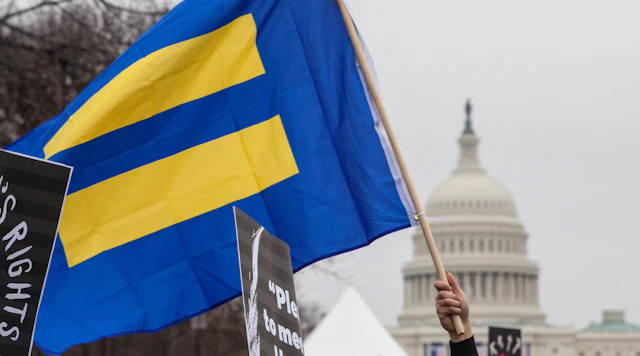
As Federal Lawmakers Work on New Appropriations Bills, HRC Will Mobilize LGBTQ+ Community and Allies to Push for Transgender Health Care Access, PrEP Access & HIV Response & Defeat Anti-LGBTQ+ Riders
WASHINGTON — As federal lawmakers work on the appropriations process that determines how our tax dollars will be spent, the Human Rights Campaign is mobilizing its members and supporters this spring and summer for 100 Days of Healthcare — an advocacy and awareness campaign aiming to ensure that LGBTQ+ priorities are heard loudly and clearly and taken into account in the decision making process.
Starting today, April 23, with hundreds of volunteers and staff going to the U.S. Capitol for meetings with members of Congress, HRC and the LGBTQ+ community are coming together to combat Republican efforts to load up appropriations bills with anti-LGBTQ+ riders and to ensure that essential programs that support our healthcare are properly funded.
“With the 100 Days of Healthcare campaign, we’re going to make sure everyone in Congress and the halls of power is aware that we have a voice and we’re going to use it,” said HRC President Kelley Robinson. “For too long members of the LGBTQ+ community, particularly trans people and people of color, have been subjected to disparities in access, and in recent years, targeted attempts to take our care away. We’ve had enough and we’re showing up to say so.”
In the upcoming 100 days, HRC members, supporters, and allies will be lobbying legislators, participating in trainings, mobilizing community members and more. Key priorities for this campaign include:
- Advocating for the PrEP Access and Coverage Act
- Fighting for the Transgender Health Care Access Act
- Supporting HIV funding in federal policy
- Defeating all anti-LGBTQ+ riders in any appropriations bills
“Healthcare decisions belong in the hands of patients and their providers—full stop,” said Matthew Rose, HRC Senior Public Policy Advocate. “Congress’s responsibility isn’t to interfere in exam rooms; it’s to fund what works and ensure access to medically necessary, evidence-based care for everyone. That means protecting and expanding care for transgender people. It means scaling up PrEP to end HIV transmission. It means confronting the systemic disparities that continue to harm LGBTQ+ communities. What it does not mean is politicizing our health, targeting our communities, or stripping away care—yet that’s exactly what we’ve seen from this Congress and the Trump administration in recent years.”
LGBTQ+ communities continue to face significant health disparities driven by discrimination, poverty, and unequal access to healthcare services. These disparities appear across multiple health indicators, including mental health outcomes, chronic disease rates, and HIV prevalence.
Public health programs—particularly Medicaid and federal HIV initiatives—have been instrumental in addressing these disparities. But federal and state lawmakers have been inconsistent at best and hostile at worst when it comes to ensuring that these programs are fully funded and able to do their important work.
The Human Rights Campaign (HRC) is the nation’s largest LGBTQ+ civil rights organization working to achieve equality for lesbian, gay, bisexual, transgender and queer (LGBTQ+) people, with 3.6 million members and supporters. The HRC Foundation (a 501(c)(3)) works to ensure LGBTQ+ people are safe, seen and supported where it matters most: at school, at work and in every community across the country. From the courtroom to the classroom, from Congress to corporate America, HRC and the HRC Foundation build power through partnerships, storytelling, and action—working to create a future rooted in equity, freedom and belonging for all LGBTQ+ people.
Contact Us
To make a general inquiry, please visit our contact page. Members of the media can reach our press office at: (202) 572-8968 or email press@hrc.org.
Love Conquers Hate

Fall Favorites
Shop for HRC clothing and gifts. 100% of every purchase fuels the fight for equality.