
Show your colors this Pride season! Shop our 2026 collection today!
Religion & Faith
Thanks to the work that’s being done by the HRC Foundation and by countless others, faith communities around the world have grown to become increasingly more welcoming, inclusive and affirming of the LGBTQ+ community and our right to equality.
Choose from one of our featured topics to explore specific areas of our Religion & Faith resources.
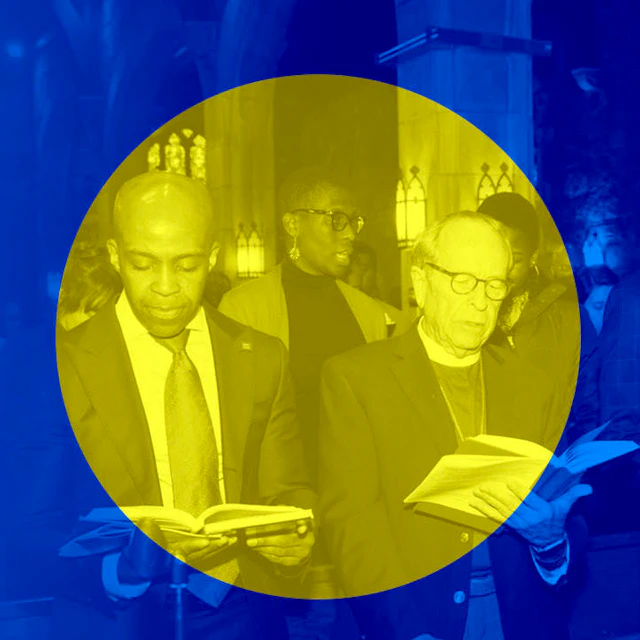
Faith is a core part of civic life. Around the world, people look to their faith as a source of guidance, hope and inspiration — and LGBTQ+ people, as well as our families, friends and allies, are no different. In times of trial and in the face of rejection, LGBTQ+ people of faith have held on to our beliefs and traditions — and at times have formed new ones. We belong in every faith tradition across the world.

What Does the Bible Say About Homosexuality?
At the heart of the claim that the Bible is clear "that homosexuality is forbidden by God" is poor biblical scholarship and a cultural bias read into the Bible.
Read Moreabout What Does the Bible Say About Homosexuality?

What Does the Bible Say About Transgender People?
Introduction
For several decades, political and theological debates related to LGBTQ+ issues have centered around same-sex relationships for lesbian, gay and bisexual people. While an exploration of that topic is…

Letter Against Trans Violence by Prominent Catholic Leaders & HRC
Noting with urgency the words of St. John Paul II in Evangelium Vitae that “every individual, precisely by reason of the mystery of the Word of God who was made…
For They Know Not What They Do: A Study Guide and Advocacy Training Curriculum Accompanying The Documentary
Created to accompany the film “For They Know Not What They Do,” a documentary which explores the intersections of religion, sexual orientation, gender identity and American politics, this user-friendly guide…

Coming Home: To Faith, To Spirit, To Self
While many people enjoy a rich, spiritual life outside the realm of organized religion, this guide is aimed at folks who hope to lead their faith communities toward a more…

Faith Resources
The resources in this section are intended to help LGBTQ+ people, their families, friends and allies, find powerful and transformative spaces to learn more about the intersection of their faith…

Faith Leaders Demand Congress Support the Equality Act
As people of faith, we urge Congress to support the Equality Act.

Coming Home to Evangelicalism and to Self
This guide is aimed at LGBTQ+ evangelical Christians who are on the journey toward living fully in their sexual orientation, gender identity and expression and in their faith and its…

Coming Home to Mormonism and to Self
This guide is aimed at LGBTQ+ Mormons who are on the journey toward living fully in their sexual orientation, gender identity and expression, and in their faith and its traditions.

Coming Home to Judaism and to Self
This guide is aimed at LGBTQ+ Jewish Americans who are on the journey toward living fully in their sexual orientation, gender identity and expression, and in their faith and its…

End Racial and Religious Profiling Act
The End Racial and Religious Profiling Act would prohibit federal, state, and local law enforcement from targeting a person based on actual or perceived race, ethnicity, national origin, religion, gender,…
Love Conquers Hate

Pride 2026 Collection
Shop for HRC clothing and gifts. 100% of every purchase fuels the fight for equality.